UGC ads that convert on Facebook and Instagram
/ 8 min read
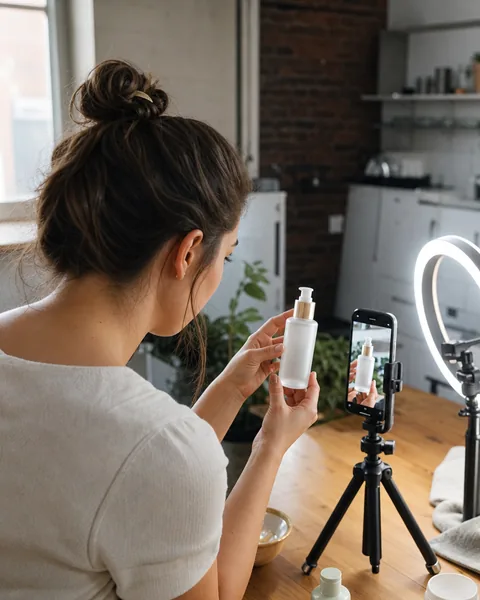
UGC ads that convert on Meta share three traits: a hook that stops the scroll in the first two seconds, a creator who sounds like a real customer explaining a real problem, and a clear licence that lets you run the video as a paid ad for as long as you need. Most failing UGC misses one of these, usually the brief or the licence.
User generated content, in the advertising sense, now mostly means videos made by paid creators in the style of a customer. It is not the same as organic posts from fans. This guide covers how to brief creators, how to write hooks that work, how to structure the video and how to handle licensing and disclosure properly. If you would rather hand it off, our UGC ads service covers sourcing, briefs, editing and testing.
Why creator style ads work on Meta
People scroll through Feed, Stories and Reels looking at content from friends and creators. An ad that looks like that content earns a few seconds of attention before the viewer decides whether it is an ad. A polished studio ad signals advertising at once.
Creator style video also explains products well. A person holding the product, showing it in use and talking about why they bought it answers questions a static image cannot. And because Meta's delivery system rewards a variety of distinct creatives, a pool of different creators and angles gives the system more to work with than one brand video.
UGC is not magic, though. A creator reading a generic script about a product they clearly have not used converts poorly. The quality of the brief and the edit decides the result.
How to write a creator brief that works
A good brief gives the creator enough direction to hit the message and enough freedom to sound natural. It fits on one or two pages.
What every brief should include
- The product and the one main benefit. One benefit per video, not a feature list.
- The audience. Who the viewer is, what problem they have and what they have tried before.
- The angle. Problem and solution, before and after, unboxing, routine, comparison, myth busting, or a founder style story.
- Three to five hook options. Written out, so the creator can record several.
- Key points to cover. Bullet points, not a script, unless the claim must be exact.
- Claims you can and cannot make. Especially for health, beauty, supplements and finance.
- The call to action. What the viewer should do and any offer.
- Technical specs. Vertical 9:16, natural light, clear audio, no music if you add it later, length range, raw files plus a rough edit.
- Usage terms. How the video will be used, for how long and where. More on this below.
What to leave out
Leave out long word for word scripts, brand jargon and instructions that make the creator sound like an advert. Leave out claims you cannot support with evidence. And leave out requirements to say the product is the best on the market unless you can prove it.
UGC test log, week 2
sample portal view| ID | Creator video | Hook | Hook rate | Hold to 15 s | CPA | Status |
|---|---|---|---|---|---|---|
| U-014 | Kitchen routine, 22 s | Problem first | 34% | 41% | $36 | Winner |
| U-015 | Unboxing, 18 s | Curiosity | 24% | 29% | $49 | Running |
| U-016 | Before and after, 25 s | Result first | 29% | 35% | $42 | Running |
| U-017 | Founder reply, 20 s | Objection | 19% | 33% | $58 | Paused |
Hooks that stop the scroll
The hook is the first two or three seconds: what the viewer sees and hears before deciding to keep watching. On Reels and Stories, a weak hook means the rest of the video never gets seen. It is also the cheapest part of a video to test, because the same body can carry several hooks.
| Hook type | Example pattern | Works well for |
|---|---|---|
| Problem call out | If your skin feels tight after washing, watch this | Products that solve a known pain |
| Contrarian statement | I stopped using expensive serums and my skin got better | Crowded categories with common beliefs |
| Result first | Opening on the finished outcome, then explaining how | Visual products such as home, beauty, fitness |
| Curiosity gap | The one thing I wish I knew before buying a mattress | Considered purchases |
| Direct demo | Product in hand, immediate action, no intro | Gadgets and tools |
| Social context | My partner asked why our kitchen smells different now | Lifestyle and gifting products |
Visual hooks matter as much as words. Movement in the first frame, a close up of the product in use, text on screen that states the problem and an unexpected setting all help. Always add captions: many people watch with the sound off.
Never write a hook that promises something the product cannot deliver. Misleading hooks raise click through rate and destroy conversion rate, and they risk ad rejection.
A structure for the body of the video
After the hook, most converting UGC follows a simple pattern. Treat it as a starting point, not a rule.
- Hook. Stop the scroll in the first two seconds.
- Problem. Name the frustration in the customer's own words.
- Discovery. How the creator found the product.
- Demonstration. The product in use, close and clear.
- Proof. What changed, what they noticed, how it compares with what they tried before.
- Objection handling. Price, ease of use, results timeline, returns.
- Call to action. What to do next and any offer.
Most ads land between 15 and 45 seconds, but length should follow the story. Test cutdowns of strong videos: a 60 second video often contains a strong 15 second ad.
Editing turns raw footage into ads
The raw recording is material, not an ad. Editing is where most of the performance comes from.
- Cut every pause and filler word. Pace matters on Reels.
- Add captions that match the speech exactly.
- Use text overlays to restate the hook and the key benefit.
- Cut in product close ups and B roll when the creator describes a feature.
- Build several hooks onto the same body and test them.
- Export versions for 9:16 and 4:5, and keep important content away from the edges where interface elements cover it.
Licensing and usage rights
This is where many brands get into trouble. A creator owns the video they make unless your agreement says otherwise. Paying for a video is not the same as owning the right to advertise with it forever.
Terms to agree in writing
- Usage type. Organic only, paid ads, or both. Paid usage should be explicit.
- Duration. Common terms are 30, 90 days, six months or twelve months, with perpetual usage priced higher.
- Channels. Meta only, or also other ad platforms, your website and email.
- Territory. Worldwide or specific countries.
- Edits. Whether you may cut, add text, change music or combine footage with other content.
- Exclusivity. Whether the creator may work with competitors during the term. Exclusivity costs extra.
- Renewal. What it costs to extend once the term ends, and who tracks the dates.
Keep a simple register of every video with its creator, licence end date and channels. When a licence expires, the ad must stop or be renewed. An expired licence on a winning ad is an expensive surprise.
Partnership ads
Meta's partnership ads let a brand run ads that appear from the creator's account, or from both accounts, with a paid partnership label. The creator grants permission through their account settings or a partnership ad code. These ads can perform well because they carry the creator's identity. They also require the creator's ongoing permission, which should be covered in the agreement, including how long it lasts.
Disclosure and honest claims
Creator content used in ads is advertising and must be honest. In the United States, the Federal Trade Commission's endorsement guides require that material connections between a brand and a creator are disclosed, and its rules prohibit fake reviews and testimonials. Many other countries have similar rules. In practice that means the following.
- Do not present a paid creator as an independent customer review.
- Do not ask creators to claim results they did not experience.
- Use Meta's paid partnership label where it applies.
- Keep health, beauty and financial claims within what you can support.
This protects the brand as well as the viewer. Ads with misleading claims are more likely to be rejected and can lead to account restrictions.
Testing UGC at scale
UGC works best as a system, not a one off batch. Treat each creator video as a concept test and each new hook as an iteration. Our guide to creative testing on Meta explains how many new ads an account needs and how to judge them. In short:
- Brief several creators on different angles each month.
- Test each new video with a few hooks.
- Scale the winners and make iterations of them.
- Feed what you learn into the next round of briefs.
If you want to see what your store could test first, our free ad audit includes first creative ideas. Plans on our pricing page include a set number of new creatives each month, with creator content in the mix.
Finding and paying creators
There are several ways to source creators, and most brands use more than one.
- Creator marketplaces. Platforms that list creators by niche, price and style. Fast to start, with standard usage terms you should still read.
- Your own customers. Happy customers who are comfortable on camera often produce the most believable content. Pay them properly and agree a licence like any other creator.
- Direct outreach. Creators who already post about your category on Instagram or TikTok. Slower to arrange, but often a better fit.
- Agencies and studios. Useful when you need volume and editing in one place.
Pricing varies widely by creator, country, deliverables and usage rights. Compare offers on the same basis: number of videos, number of hooks per video, raw files included, paid usage period and exclusivity. A cheaper video with a 30 day licence can cost more over a year than a dearer one with twelve months of paid usage. Ship products early, give clear deadlines and pay on time; creators who enjoy working with you will prioritise your briefs.
Frequently asked questions about UGC ads
How many creators should a brand work with?
Enough to give variety in faces, voices and angles. Several creators a month is common for active accounts, because Meta rewards distinct creatives and individual creators fatigue.
Should UGC replace studio content?
No. Studio and product photography still matter for catalog ads, statics and the website. UGC adds a different, native style that usually performs well in Reels and Stories.
Can I use customer videos from social media in ads?
Only with the customer's written permission for paid use. Reposting is not the same as an advertising licence.
What happens when a UGC licence expires?
You need to stop running the ad or renew the licence on the agreed terms. Track end dates in a register so this never catches you by surprise.